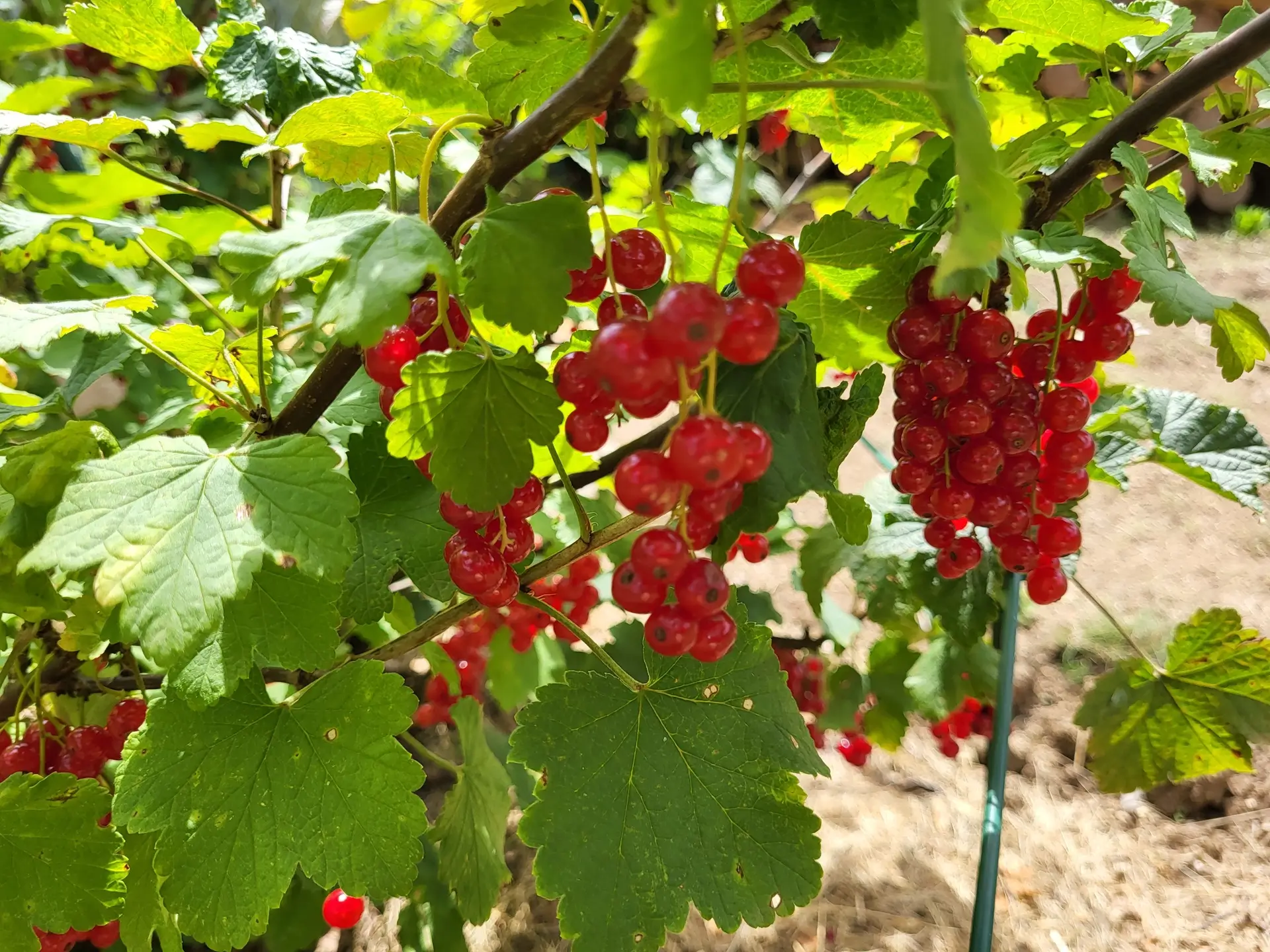
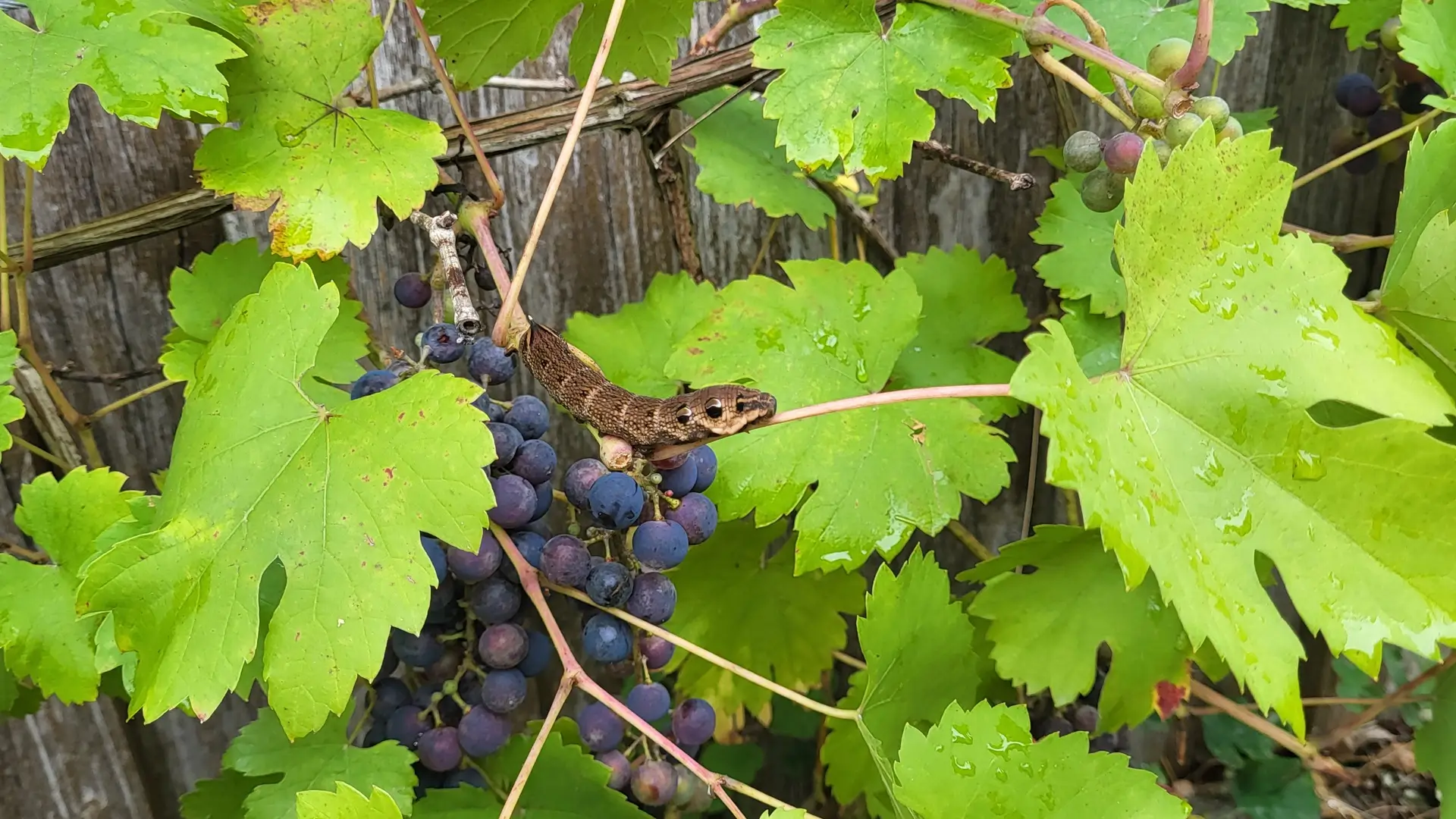
The snack garden is a particularly inviting and lively area of the district teaching garden. It is designed for all generations and especially appeals to children and families, as here, depending on the season, visitors can look, smell, and even taste directly from the plants. The snack garden clearly demonstrates how fruit grows, ripens, and is harvested, creating a direct connection between plant and food. This immediate experience fosters appreciation for regional products and helps people understand natural cycles.
At the center are robust, easy to care for, and flavorful berry and small fruit varieties. Typical examples include strawberries, raspberries, currants, gooseberries, and blackberries. These are often complemented by cultivated blueberries, special snack varieties, or compact fruit shrubs that are also suitable for smaller gardens or containers. When selecting varieties, emphasis is placed on good flavor, long harvest periods, and strong adaptation to the regional climate.
In spring, the garden year begins with delicate blossoms. Strawberries display their white flowers among fresh green leaves, currants and gooseberries develop fine flower clusters, while raspberries and blackberries produce strong new shoots. These blossoms provide nectar and pollen for numerous insects and are essential for a rich harvest. Even at this stage, it becomes clear how important the interaction between plants and pollinators is.
With the start of early summer, the first harvest begins. Bright red strawberries invite picking, soon followed by currants hanging in dense clusters. Raspberries and blackberries ripen over several weeks, continually providing fresh fruit. For children, tasting directly from the plant is a special experience. They discover how different fruits can taste, whether sweet, tangy, or intensely aromatic, and at the same time learn that fruit does not originate in the supermarket but requires time, care, and natural processes.
Many varieties continue to bear fruit into late summer and autumn. At the same time, care for the coming year begins. Spent canes are pruned back, shrubs are thinned, and strawberry beds are maintained. These tasks show that sustainable yields require knowledge and regular attention. Even in winter, the snack garden remains educational, as pruning and soil care are carried out and the foundation for the next gardening year is prepared.
Beyond enjoyment, the snack garden fulfills an important ecological function. Blossoms provide food for insects, dense foliage creates shelter, and unharvested fruits serve as a food source for birds. Through nature oriented cultivation, a stable balance is encouraged and biodiversity is supported.
The snack garden in the district teaching garden stands for the joy of discovery, conscious experience of nature, and appreciation of fresh, seasonal food. It shows how simple it can be to grow a piece of edible nature yourself and how much enjoyment, knowledge, and connection to nature can grow from it.